



![Yesoul T5 Ultra Treadmill [Pre-Order]](http://yesoulfitness.uk/cdn/shop/files/G3_ultra.jpg?v=1787281258&width=120)


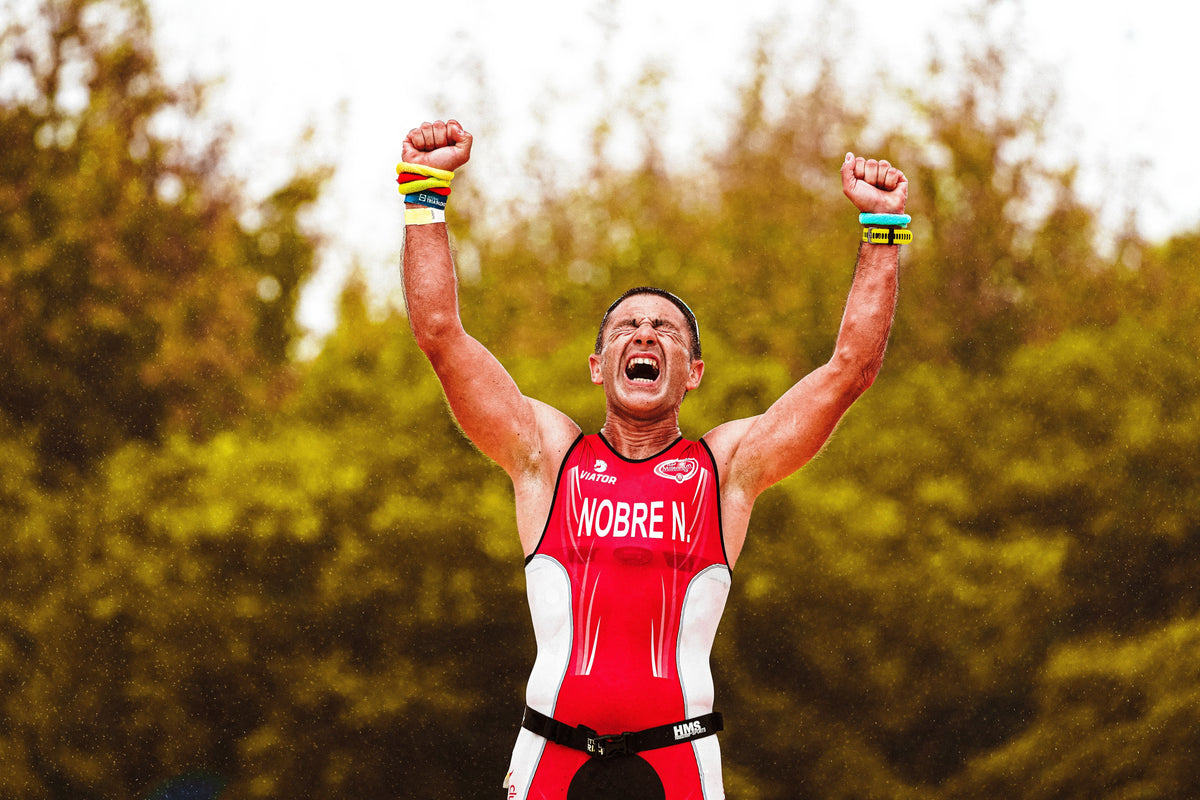
The 2026 IRONMAN World Championship in Kona brought together some of the world's most dedicated athletes for a demanding test of physical fitness. Across the swim, bike, and run, athletes relied on strength, coordination, and the ability to keep moving through different physical demands. Their preparation offers a reminder that fitness is built over time, through consistent effort and a balanced approach to movement.
That idea can also shape an everyday full-body workout. With coordinated movements that engage the legs, core, back, shoulders, and arms, full-body training at home can be a practical way to stay active and build a routine around your daily schedule. At YESOUL, we believe home fitness should make it easier to keep moving in ways that work for your life.

What Is Full-Body Training and Why Does It Matter?
A full-body workout engages multiple major muscle groups in one session, rather than focusing on just one area.
Everyday activities such as climbing stairs, carrying groceries, and riding a bike involve different parts of the body working together. The legs generate force, the core helps stabilize the trunk, and the back, shoulders, and arms contribute to movement and control.
This is what makes full-body training useful. By combining several muscle groups in one session, it can help you work on strength, coordination, and general fitness without needing a separate workout for every body part.
A balanced full-body workout may include:
· Lower body: legs, glutes, and hips
· Core: muscles that help stabilize the trunk
· Upper body: back, shoulders, and arms
· Cardiovascular activity: sustained movement that challenges the heart and lungs
Full-body exercise doesn't have to be high-intensity. A controlled, manageable workout can still be a valuable part of a regular fitness routine.

Why Rowing Is an Effective Full-Body Workout
Rowing is sometimes mistaken for an upper-body exercise because of its pulling motion. In fact, a rowing stroke involves the legs, hips, trunk, back, shoulders, and arms working in a coordinated sequence.
Research on rowing biomechanics has examined muscle activity across the upper body, lower body, and torso, highlighting the importance of coordinating these muscle groups during the stroke.
During the drive phase, the movement typically begins with the legs pushing against the footrests. The hips and trunk then open, followed by the arms drawing the handle toward the body. The core helps stabilize the trunk and coordinate the movement.
The basic sequence is:
Legs → Hips and Trunk → Arms
During recovery, the arms extend first, the trunk moves forward, and the knees bend as you return to the starting position.
This coordinated movement makes a rowing machine workout a practical option for a full-body workout at home. Adjusting resistance, stroke rate, and workout duration lets you tailor the session to your current fitness level and goals.
Simple Tips for a Better Rowing Machine Workout
You don't need a complicated training plan to make your rowing machine workout more effective. Start with a few basic habits:
· Focus on rowing technique. Learn the movement before increasing speed or resistance. Smooth, controlled strokes matter more than simply pulling harder.
· Drive with your legs first. Push through your legs before opening your hips and pulling with your arms. This helps you coordinate the movement instead of relying mainly on your upper body.
· Keep your posture controlled. Maintain a stable trunk and avoid leaning too far backward at the finish. Aim for a smooth, repeatable movement throughout the stroke.
· Choose an appropriate resistance. More resistance isn't automatically better. Adjustable magnetic resistance lets you change the challenge while keeping your technique under control.
· Track your progress. Metrics such as stroke rate, power, distance, resistance, and calories can help you review each session. Progress may also mean smoother technique or a more consistent pace.
· Finish with an easier pace. Reduce the intensity for the last few minutes, then add some gentle stretching if it feels comfortable. This gives you a gradual transition out of your indoor workout.

Bring Full-Body Training Home with YESOUL
For many people, the challenge isn't knowing that exercise matters. It's finding time and space for it. A rowing machine for home can make it easier to fit a session into a busy day, whether you have 15 minutes before work or a little time to move between other tasks.
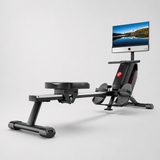
The YESOUL R1M Plus is designed to support this kind of home fitness routine. As a rowing machine with screen, it features a 21.5-inch FHD display that rotates 360 degrees, making it easier to adjust the viewing angle for rowing, strength training, stretching, or yoga. Screen mirroring also lets you view compatible content from your mobile device, provided the device supports the required connection.
Its 100 levels of adjustable magnetic resistance give you options for changing the intensity of your rowing sessions. The magnetic system is designed for smooth, quiet operation, while real-time metrics such as stroke rate, power, distance, resistance, and calories help you review your workout.
When you're finished, the foldable rail helps save space in your home. Together, these features make it easier to build a full-body workout at home around the time, space, and equipment you have available.
Explore the YESOUL R1M Plus Rowing Machine

From Kona to Everyday Fitness: Making Movement a Habit
The spirit of Kona extends beyond race day. Preparing for a demanding event takes planning, patience, and a willingness to keep showing up, even when progress feels gradual. Those same habits can help make everyday fitness more sustainable.
Your own goals may look very different from those of an IRONMAN athlete. You might want to build strength, move more regularly, or make time for exercise during a busy week. A full-body workout is one way to bring different types of movement into a single session and make exercise easier to fit into your routine.
You don't need a race-day finish line to give your training a sense of purpose. Sometimes, progress means completing a workout you planned, finding a routine you enjoy, or making time for yourself consistently.
That's the spirit YESOUL hopes to bring to home fitness: progress that fits your life, movement you can return to, and a rhythm that lasts beyond a single workout.

Leave a comment
This site is protected by hCaptcha and the hCaptcha Privacy Policy and Terms of Service apply.