


A New Year Fitness Reset for Busy Working Lives
1. January in London Doesn’t Begin Quietly
January arrives in London without fanfare.
There is no pause button when the calendar turns. Trains still run early. Coffee shops still open before sunrise. Laptops flicker on while the sky outside remains dark. The city moves forward, not because it feels refreshed, but because that is what it has always done.
For many working professionals, the start of a new year doesn’t feel like a fresh beginning. It feels like continuation — the same responsibilities, the same expectations, the same pace that rarely slows to ask how you are feeling.
Yet something subtle shifts.
A moment of reflection during a morning commute.
A quiet thought while walking home in the cold: Is this year going to feel different — or just faster?
This is where the real New Year reset begins.
Not with grand resolutions, but with an honest question about balance.
2. The Reality of Hustle Culture and Hidden Fatigue
London thrives on momentum. Long hours are normal. Being busy is often treated as proof of commitment, while fatigue stays quietly offstage.
Most professionals don’t consciously abandon their health. It slips gradually. Workdays stretch. Evenings blur. Exercise becomes something to negotiate, postponed until life feels lighter.
It rarely does.
Emma, a marketing professional in her early thirties, knows this rhythm well. She enjoys her work and the sense of direction it gives her. But as deadlines stacked and days filled, her energy slowly thinned.
“I wasn’t burned out in a dramatic way,” she says.
“I was just constantly tired.”
Not exhausted enough to stop—
just tired enough to let herself come last.

3. Why the New Year Reset Often Fails
Every January brings familiar promises — train harder, wake earlier, do more. But for people already running at full speed, these resolutions often feel unrealistic before the month is over.
Emma had tried this approach before. Strict plans. Ambitious schedules. All-or-nothing thinking.
They rarely lasted.
This year, she decided to approach the reset differently. Instead of asking how to push herself further, she asked how to support herself better.
The shift was subtle, but profound.
Health stopped being a project.
Movement stopped being a test.
The goal was no longer improvement — it was sustainability.

4. Redefining Movement as Self-Care
Winter has a way of exposing fragile routines. Cold mornings make early workouts harder. Short days drain motivation. Outdoor exercise becomes unpredictable.
Rather than fighting the season, Emma learned to work with it.
Movement became less about performance and more about presence. A way to warm up both body and mind. A way to transition between the demands of work and the need for rest.
“Winter taught me that movement doesn’t need to be loud,” she reflects.
“It can be quiet and still meaningful.”
This reframing allowed fitness to exist without pressure. It made consistency possible — not because every session was perfect, but because returning felt safe.
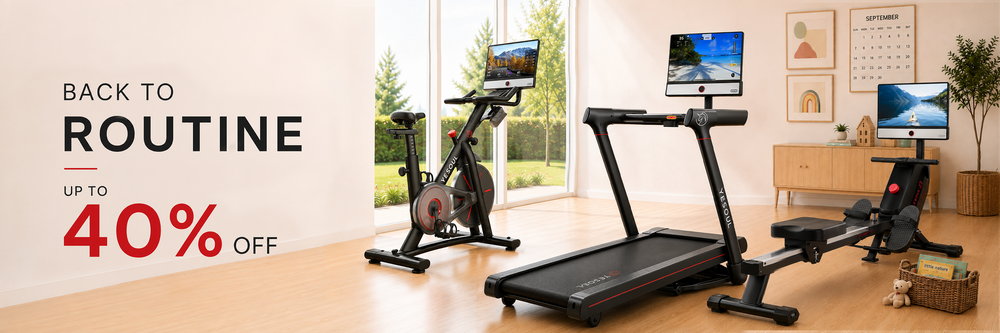
For Emma, that shift was supported by bringing movement closer to home. Having access to thoughtfully designed indoor fitness equipment meant she didn’t need to negotiate with weather, commute times, or crowded spaces. Movement became something available—not something she had to earn.
5. Home as a Space for Continuity
For many Londoners, time is the most limited resource. Commuting, social obligations, and long workdays leave little room for spontaneity.
Emma discovered that when movement lived at home, it stopped competing with everything else.
No travel time.
No comparison.
No pressure to perform.
Instead of carving out extra hours, Emma began integrating movement into the rhythms that already existed. A short ride before logging on in the morning. A gentle session to decompress after work. The equipment in her home didn’t demand performance—it invited consistency.

Home became a neutral space — one where movement could happen naturally, even on days when energy was low.
This didn’t replace outdoor activity or social movement. It supported them. It created continuity when schedules felt fragmented.
Consistency no longer depended on ideal conditions. It depended on accessibility.
6. A Healthier Definition of Consistency
One of the biggest changes in Emma’s mindset was redefining what consistency meant.
Previously, missing a session felt like failure. Now, consistency meant returning — without guilt, without self-criticism.
Some days were short.
Some days were slow.
Some days didn’t happen at all.
And yet, the rhythm continued.
“I stopped thinking in streaks,” she says.
“I started thinking in seasons.”
Winter became a time to maintain, not maximize. A season for gentler expectations and steadier habits.
7. The Emotional Impact of Staying Connected to Movement
What Emma didn’t expect was how much emotional clarity movement brought back into her life.
Movement became a boundary — a signal that the workday had ended. It helped her process stress without needing complete stillness. It offered structure on days that felt scattered.
“It gave me back a sense of control,” she explains.
“Not over my schedule — but over how I felt in my body.”
In a city that rarely slows down, this mattered. These moments of movement weren’t dramatic, but they were grounding.

8. Winter Is Not a Pause — It’s a Different Pace
There is a cultural assumption that winter is a setback for fitness. But for many, winter is simply a different rhythm.
Less intensity.
More intention.
Less performance.
More care.
When movement adapts to the season, it becomes sustainable. It no longer demands motivation — it supports well-being.
Emma realized that winter wasn’t the enemy of her routine. Unrealistic expectations were.
9. A Reset That Extends Beyond January
By the end of January, something had shifted.
Emma hadn’t transformed overnight. She hadn’t doubled her output or dramatically changed her lifestyle. But she felt steadier. More present. Less reactive.
Health was no longer postponed.
Movement was no longer optional.
Balance felt achievable.
Most importantly, the reset didn’t disappear when January ended. It evolved into something quieter and longer-lasting.


Emma exercises at home using a G1M Plus stationary bike
10. Why Stories Like This Matter
Emma’s experience reflects a broader change happening across modern fitness culture.
People are moving away from extremes and toward sustainability. Away from performance for performance’s sake. Toward movement that respects real life.
This shift matters — especially for those balancing ambition, responsibility, and limited time.
Health doesn’t need to compete with success. It needs to support it.
11. Choosing a Different Kind of New Year
The most meaningful New Year reset isn’t about doing more.
It’s about choosing what lasts.
Choosing routines that bend instead of break.
Choosing movement that supports rather than demands.
Choosing health as something you live with — not something you chase.
Winter doesn’t require you to stop.
It invites you to move differently.

12. With YESOUL
At YESOUL, we believe fitness should adapt to real life—busy schedules, changing seasons, and imperfect days included.
That’s why our approach focuses on thoughtful design, intuitive technology, and creating equipment that supports consistency rather than pressure.
Not louder.
Not harder.
Just more human.
This New Year, movement doesn’t have to be another demand.
It can be something that lives with you—quietly, reliably, and on your terms.
With YESOUL.



Leave a comment
This site is protected by hCaptcha and the hCaptcha Privacy Policy and Terms of Service apply.