





What the NBA Playoffs Can Teach Us About Stress, Recovery, and Consistency
Everyone Feels the Pressure During Playoffs
There’s a reason the NBA Playoffs feel different from the regular season. Every possession matters. Every mistake feels amplified. The emotional intensity never really disappears, even between games. For weeks, players live inside a cycle of pressure, recovery, and performance.
And in some ways, modern life feels surprisingly similar.
Most people may not be stepping onto a basketball court in front of thousands of fans, but many are still carrying constant mental pressure every day. Endless notifications, work deadlines, social expectations, and packed schedules create a different kind of playoff atmosphere—one that rarely pauses.
By the end of the day, many people aren’t simply physically tired. They’re mentally exhausted.
That’s why movement often becomes the first thing people abandon during stressful periods. Not because they don’t care about health, but because exercise starts to feel like one more demand added onto an already overwhelming day.

Why Stress Makes People Stop Moving
When stress builds up, the body naturally looks for rest. People spend more time sitting, scrolling, or lying down because mentally, they feel depleted. The problem is that complete inactivity rarely creates real recovery.
Over time, stress begins to settle physically into the body. Shoulders tighten. Sleep quality drops. Energy becomes inconsistent. Even small tasks feel heavier than usual.
Many people assume they’ve lost discipline when this happens. In reality, they often just haven’t found a form of movement that supports recovery instead of adding more exhaustion.
This is where the idea of exercise starts to shift. Instead of treating workouts as punishment or performance, more people are beginning to see movement as a way to regulate stress and reconnect with their bodies.
And interestingly, professional athletes understand this better than most.
Even NBA Players Don’t Train at Full Intensity Every Day
During the Playoffs, recovery becomes just as important as performance. NBA players aren’t trying to push at maximum intensity every single day. They know that long-term performance depends on rhythm, recovery, and sustainability.
Some days are explosive. Others are slower, focused on mobility, light movement, and restoring energy levels.
That balance matters because the body cannot stay in a constant state of high alert forever.
Modern lifestyles create a similar problem. Many people spend their days mentally “on” all the time—working, multitasking, responding, and constantly processing information. Without intentional recovery, that pressure slowly accumulates.
This is why low-pressure cardio has become increasingly valuable. It offers movement without overwhelming the nervous system, allowing people to stay active while still mentally decompressing.

Movement Can Become a Form of Recovery
Not every workout needs to leave you exhausted to be effective.
Sometimes the most beneficial movement is the kind that helps your body slow down instead of speed up. Walking, light jogging, or steady treadmill sessions create a rhythm that feels grounding rather than draining.
The repetitive nature of walking can calm the nervous system in a surprisingly effective way. Breathing becomes steadier. Muscles loosen gradually. Thoughts begin to settle instead of racing.
For many people, treadmill walking becomes less about calories or performance metrics and more about creating a mental reset after long days. p>
This shift in perspective makes movement easier to sustain. Exercise no longer feels like another stressful obligation. Instead, it becomes part of recovery itself.
Emma discovered this during one of the busiest periods of her career.

Why Emma Started Walking at Night
Emma, a 32-year-old marketing manager in New York, had always associated fitness with intensity. If a workout didn’t leave her sweating heavily or completely exhausted, she assumed it “didn’t count.”
But during the NBA Playoffs season, work became unusually demanding. Long meetings filled her days, and her evenings were spent catching up on emails and unfinished tasks. By nighttime, she felt mentally overstimulated but strangely restless at the same time.
She tried forcing herself back into intense workouts, but it only made her feel more drained.
Eventually, she stopped trying to “train” altogether.
Instead, she started walking for 20 minutes every night while watching Playoff highlights or listening to basketball podcasts. It felt simple enough that she didn’t resist doing it.
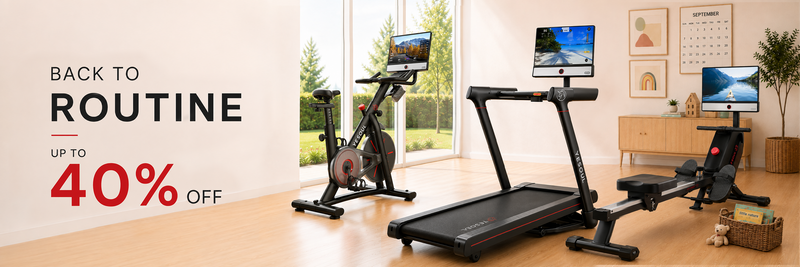
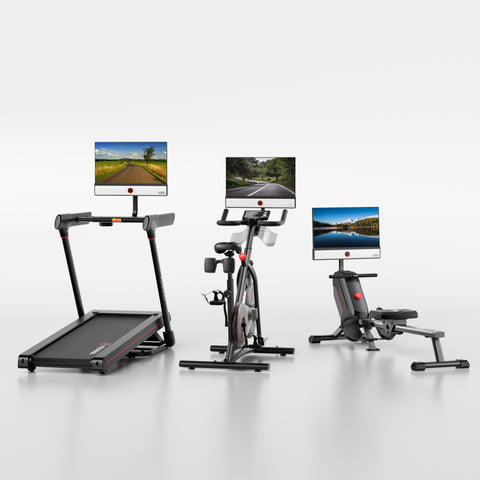
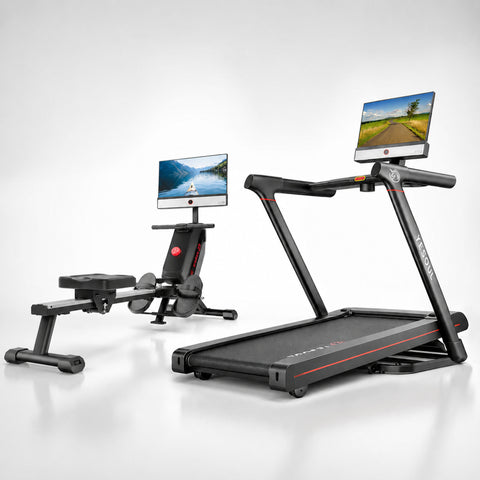
After bringing a YESOUL T3 treadmill into her apartment, the habit became even easier to maintain. She didn’t need to leave home, plan elaborate workouts, or mentally prepare herself for a difficult session. Walking became a quiet transition between work stress and rest.
Over time, she noticed unexpected changes. Her sleep improved. Her anxiety levels felt lower. She woke up feeling less mentally heavy in the mornings.
Most importantly, movement stopped feeling like pressure.


Consistency Is the Real Championship Mindset
One of the biggest lessons from the Playoffs is that success rarely comes from constant intensity alone. The strongest teams are usually the ones that sustain focus, energy, and composure over time.
Fitness works the same way.
Long-term health is often built through smaller, repeatable actions rather than short bursts of extreme motivation. A short walk still matters. Light movement still counts. Consistency during stressful periods matters far more than perfection.
Sometimes the healthiest thing you can do isn’t pushing harder—it’s creating a routine gentle enough to continue even when life feels overwhelming. p>
Because real endurance isn’t just physical.
It’s emotional too.
Train for the long game.
The pressure of the Playoffs doesn’t only exist on the basketball court. Everyone has their own version of a fourth quarter—periods of stress, fatigue, uncertainty, and emotional intensity.
In those moments, progress is rarely about pushing harder. It’s about staying steady enough to continue.
Not every day needs peak performance. Some days simply require movement that helps you reset, breathe a little deeper, and return to yourself. p>
And sometimes, that looks as simple as a quiet walk at the end of the day.


Leave a comment
This site is protected by hCaptcha and the hCaptcha Privacy Policy and Terms of Service apply.